A Homeowner's Guide to Cleaning Exposed Aggregate Safely
Exposed aggregate is a popular finish for driveways, paths and pool surrounds in Lake Macquarie. Its textured surface provides grip, but the spaces between stones can collect dirt, leaves, algae and oil. Regular cleaning helps maintain its appearance and reduce slippery buildup. The safest approach is to start gently and avoid methods that damage the cement holding the stones in place.
Check the Surface Before Cleaning
Inspect the area for loose stones, cracks, crumbling patches and peeling sealer. Aggressive cleaning can make these problems worse. If the concrete is newly installed, follow the installer’s instructions on curing, cleaning and sealing before using chemicals or pressure equipment.
Check whether the surface has a sealer and, if possible, identify the product. Some cleaners can soften, discolour or strip certain coatings. Always test your chosen cleaner on a small, inconspicuous area and let it dry before treating the whole surface.
A Safe Cleaning Method for Homeowners
- Clear and sweep: Move vehicles, furniture and pots, then remove leaves, grit and debris with a broom. Clear nearby drainage grates without pushing debris into them.
- Plan runoff control: Identify where water will flow. Use suitable containment and collection methods to keep detergent, sediment and contaminated wash water out of stormwater drains.
- Apply a suitable cleaner: Choose a product labelled for exposed aggregate and compatible with any sealer. Follow its dilution, application and protective equipment instructions.
- Scrub gently: Use a stiff nylon-bristle brush rather than a wire brush. Work in manageable sections and do not let the cleaning solution dry on the surface.
- Rinse carefully: Use the lowest effective water pressure and collect contaminated runoff. Let the area dry fully before assessing the result or reopening it to foot traffic.
Use Pressure Washing With Caution
Pressure washing can remove stubborn grime, but excessive pressure can erode the cement matrix, dislodge stones and damage sealers. There is no single safe pressure setting for every exposed aggregate surface: age, condition, finish and equipment all matter.
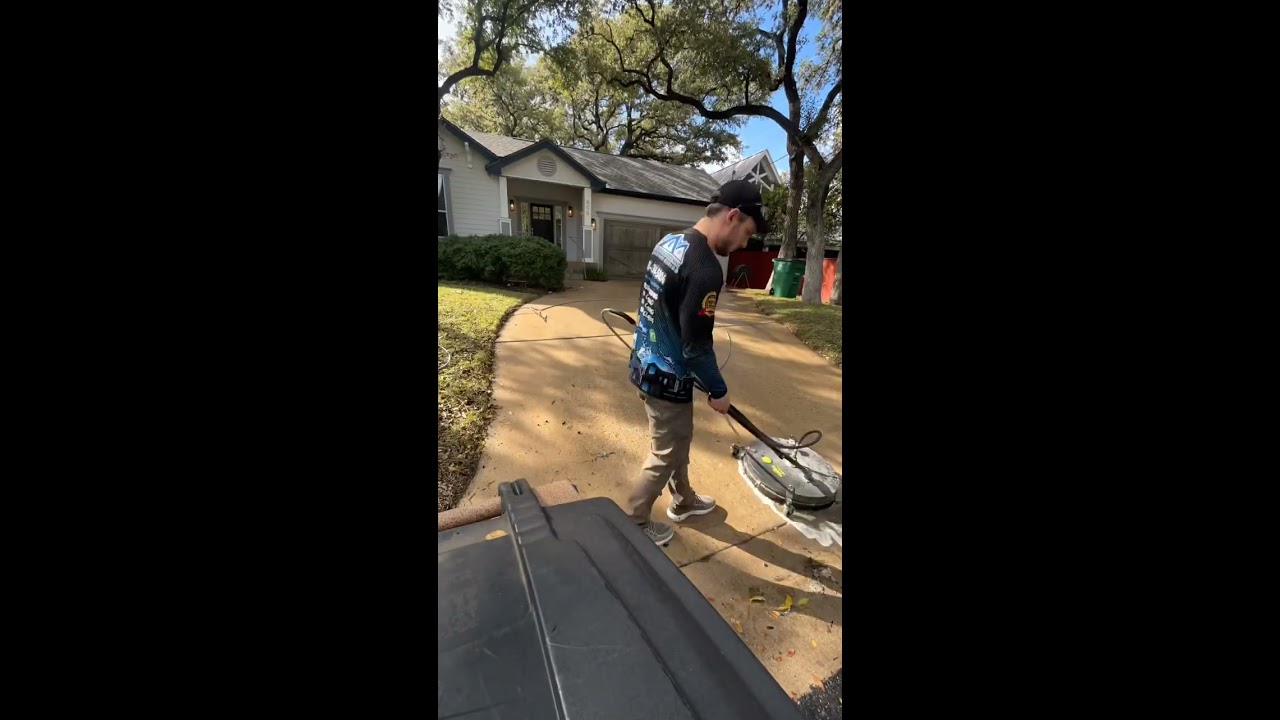
If the surface manufacturer permits pressure cleaning, begin with a wide fan spray, low pressure and a generous working distance. Keep the nozzle moving and test a small area first. Avoid pinpoint jets and aggressive rotating nozzles. https://fernandowbhn418.rivertonbrief.com/posts/sealed-vs-unsealed-concrete-pressure-cleaning-explained A surface-cleaning attachment can improve consistency, but it does not prevent damage if the pressure is too high.
Stop immediately if stones loosen, the surface roughens or the coating begins to lift. Wear eye protection and enclosed, slip-resistant footwear, and never direct a pressure jet towards people or pets.

Treat Stains Without Harsh Shortcuts
Oil and Grease
Absorb fresh spills promptly with a suitable absorbent material, then collect it for appropriate disposal. Treat remaining marks with a concrete-compatible degreaser, following the label. Older oil stains may need repeated treatment and may not disappear completely.
Algae and Organic Buildup
Shaded, damp areas can develop slippery growth, particularly where leaves accumulate or drainage is poor. Use a cleaner approved for the surface and nearby surroundings. Keep children and pets away until the label’s re-entry requirements are met.
Rust and Mineral Marks
Use a specialist stain remover approved for exposed aggregate and any existing sealer. Avoid improvised acid treatments: acids can attack cement and some decorative stones. Never mix cleaning chemicals, especially bleach with acids or ammonia.
Protect Lake Macquarie’s Waterways
Stormwater can carry wash water towards local creeks and the lake. Do not hose detergent, oil, sediment or chemical residues into street gutters or stormwater drains. A product labelled biodegradable is not automatically safe to discharge.
Plan containment before starting and check current Lake Macquarie City Council and Hunter Water guidance for disposal options and any applicable water restrictions. Do not assume collected wash water can go into the sewer without approval.
Maintain the Finish and Know When to Get Help
Sweep regularly, remove spills quickly and address drainage problems that leave the surface persistently damp. If resealing is needed, choose a compatible product suitable for the location; some sealers can increase slipperiness when wet. Follow the specified drying conditions and application instructions.
For loose aggregate, extensive staining, failing sealer or large areas requiring runoff recovery, consider a professional cleaner. Ask how they assess the surface, control pressure and collect wastewater—not simply how quickly they can complete the job.
Lake Macquarie Pressure Cleaning Pros
2/396 Pacific Hwy, Belmont North NSW 2280
(02) 4011 6922