How to Tell If Your Home Exterior Needs Soft Washing Instead
If you live around Lake Macquarie, you already know the area's mild, humid climate is great for lifestyle but not so great for the outside of your home. Between lake moisture, coastal salt air, shaded blocks under tall eucalypts and regular summer humidity, mould, algae and lichen can take hold quickly. When it is time to clean, one of the first questions is whether to use high-pressure washing or soft washing. In many cases, soft washing is the better and safer choice. Here is how to tell.
What Is Soft Washing?
Soft washing is a low-pressure cleaning method that uses a specially formulated cleaning solution to break down and kill organic growth such as mould, mildew, algae and lichen. The solution is applied at gentle pressure, left to dwell for a short time, and then rinsed away. The pressure is often similar to a garden hose, which makes it much kinder to delicate surfaces.
High-pressure washing, by contrast, relies on force to blast dirt away. That works well on hard, durable surfaces like concrete driveways, but the same force can cause damage when used on softer or more fragile materials.
Key Signs Your Home Needs Soft Washing
1. Black, Green or Grey Streaks on Walls and Roofs
Dark streaks, green patches and fuzzy growth are usually organic. Pressure alone often removes only the surface layer, while the roots of the growth stay behind and the problem returns quickly. Soft washing treats the growth itself, which is why results tend to last longer.
2. Your Roof Has Moss, Lichen or Dark Staining
Roofs in Lake Macquarie suburbs such as Belmont, Charlestown, Toronto, Speers Point and Warners Bay often develop staining on the shaded, southern-facing sections. Concrete and terracotta tiles are porous, and Colorbond sheets have a protective coating. High pressure can lift or crack tiles, force water under them, wear away surface finishes and void warranties. Soft washing is generally the recommended approach for roofs.
3. Your Walls Are Rendered, Painted or Weatherboard
Render, acrylic finishes and painted surfaces can be stripped, etched or gouged by strong water jets. Weatherboard and timber cladding can splinter, and high pressure can push water behind boards and into wall cavities. If your home has any of these finishes, soft washing is usually the safer option.

4. You Notice Chalky or Flaking Paint
If paint is already chalky, peeling or bubbling, it is vulnerable. Pressure can make the damage worse and leave patchy results. A gentle clean helps remove grime and growth without stripping what is left of the coating, and it is often a good first step before repainting.
5. There Are Older Windows, Seals or Flyscreens
Older homes may have worn window seals, aluminium frames with fading finishes, or fragile screens. Forceful water can penetrate gaps and cause leaks or interior moisture issues. Soft washing reduces that risk.
6. Your Home Has Fibre Cement, Cladding or Stucco
Fibre cement sheeting, textured coatings and stucco-style finishes can be damaged or pitted by high pressure. Low-pressure cleaning protects the texture and the joins between panels.
7. Growth Keeps Coming Back Quickly
If you have pressure washed before and the green or black growth returned within a few months, it is a strong sign the spores were not treated. Soft washing is designed to kill growth at the source, so clean surfaces often stay clear for longer.
Surfaces That Usually Suit Soft Washing
- Tiled and Colorbond roofs
- Rendered and painted brick walls
- Weatherboard and timber cladding
- Fibre cement and vinyl cladding
- Fly screens, window frames and fascias
- Gutters (exterior faces), eaves and soffits
- Pergolas, fences and outdoor furniture
- Pool surrounds with delicate or sealed finishes
When High-Pressure Washing Is Still the Right Choice
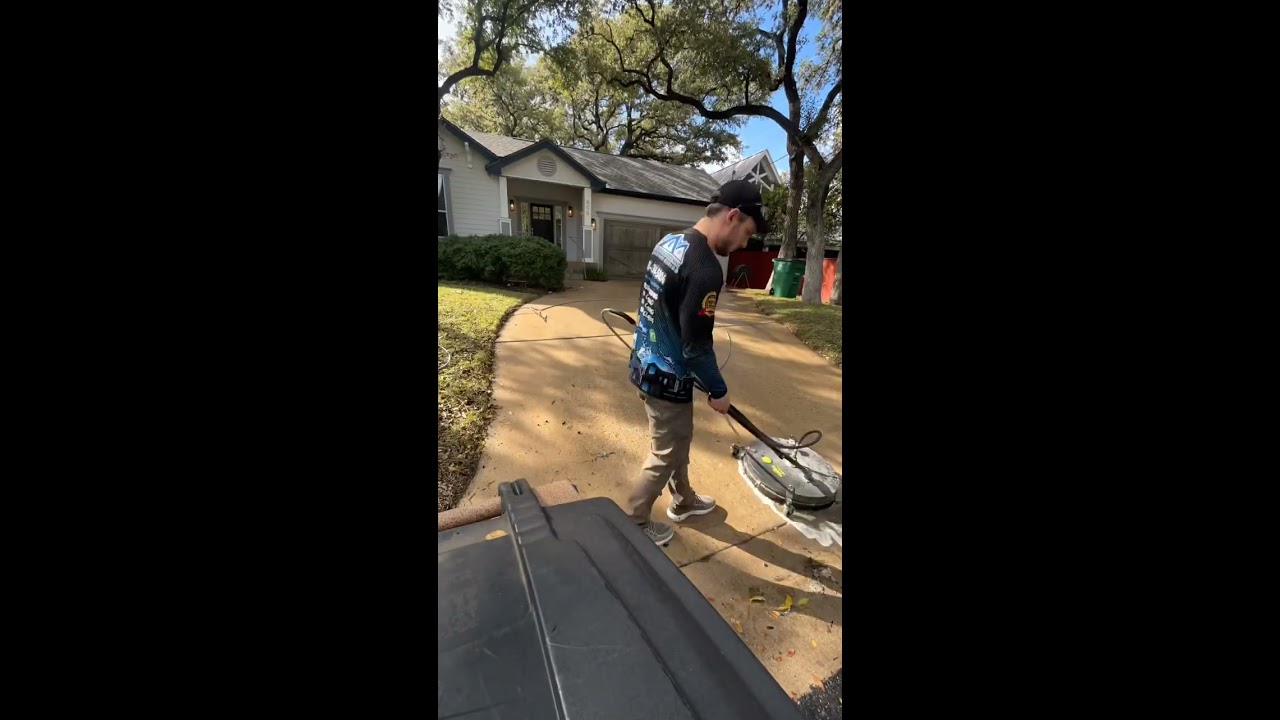
Soft washing is not always the answer. Hard, non-porous and heavily soiled surfaces such as plain concrete driveways, paths, retaining walls and some pavers can handle pressure and benefit from it. Oil stains, tyre marks and compacted grime on these surfaces usually need force. Many professionals combine both methods, using soft washing on the house and roof and pressure cleaning on the driveway and paths.
Why Lake Macquarie Homes Often Need Soft Washing
Local conditions make organic growth a regular maintenance issue. Several factors contribute:
- Humidity and moisture: Proximity to the lake, coast and bushland keeps surfaces damp for long periods.
- Shade and tree cover: Leaf litter and limited sunlight help mould and algae thrive.
- Salt and airborne pollutants: These settle on walls and roofs, creating a film that holds moisture.
- Warm summers and mild winters: Growth can continue for much of the year.
Benefits of Choosing Soft Washing
Beyond a cleaner appearance, soft washing offers several practical advantages:

Longer-lasting results. Because the treatment targets the root of the growth, surfaces can stay cleaner for longer than with pressure alone.
Protection for your investment. Gentle cleaning helps preserve paint, render, roof tiles and seals, which can reduce the need for early repairs or repainting.
Better for roofs and delicate materials. Reduced pressure lowers the risk of cracked tiles, water ingress and surface damage.
Improved curb appeal. A clean exterior can make a home look fresher and better maintained, which matters if you are preparing to sell or rent.
Simple Checks You Can Do at Home
Walk around your property in good daylight and look closely at each surface. Check the south and east-facing walls, under eaves, around downpipes and along fences, as these areas tend to hold moisture. Run your hand over the wall: a chalky residue on your palm suggests ageing paint that needs gentle handling. Look at your roof from the ground or from a safe vantage point, and note any dark streaks, moss or lichen. Never climb onto a roof to inspect it unless you are properly equipped and trained, as falls are a serious risk.
Is Soft Washing Safe for Gardens, Pets and Waterways?
This is a fair question, especially in an area so close to the lake and its catchment. Reputable operators take care to protect plants by pre-wetting and rinsing foliage, covering sensitive areas where needed, and managing runoff. Many professionals use biodegradable or lower-impact products, and environmental awareness around stormwater is stronger in 2026 than ever. It is worth asking any provider how they manage wastewater and keep cleaning solutions out of stormwater drains, since these can lead to local waterways.
Questions to Ask Before You Book
- What cleaning solution do you use, and is it suitable for my roof and wall materials?
- Will you be using low-pressure or high-pressure methods on each surface?
- How do you protect plants, pets and outdoor areas?
- How do you manage runoff and keep it out of stormwater drains?
- Are you insured, and do you follow safe work-at-heights practices?
- Is there any guarantee on the results?
How Often Should You Soft Wash Your Home?
The right schedule depends on your location and surroundings. In general, many Lake Macquarie homes benefit from a soft wash every one to three years. Homes close to the water, under heavy tree cover or on shaded sites may need attention more often, while sunnier and more exposed properties may stretch longer between cleans. Regular gutter clearing and trimming back overhanging branches can also help reduce moisture and extend the time between washes.
Final Thoughts
If your home has visible mould, algae or lichen, or if it has delicate surfaces like render, weatherboard, painted walls or a tiled roof, soft washing is usually the smarter option. It cleans thoroughly, protects your surfaces and helps keep growth at bay for longer. If you are unsure which method suits your property, a reputable local cleaning professional can assess your home, identify the materials involved and recommend the best approach for a safe, lasting result.
Lake Macquarie Pressure Cleaning Pros
2/396 Pacific Hwy, Belmont North NSW 2280
(02) 4011 6922